






Chad’s Blog
Pragmatic Technologies for Life and Business Success®
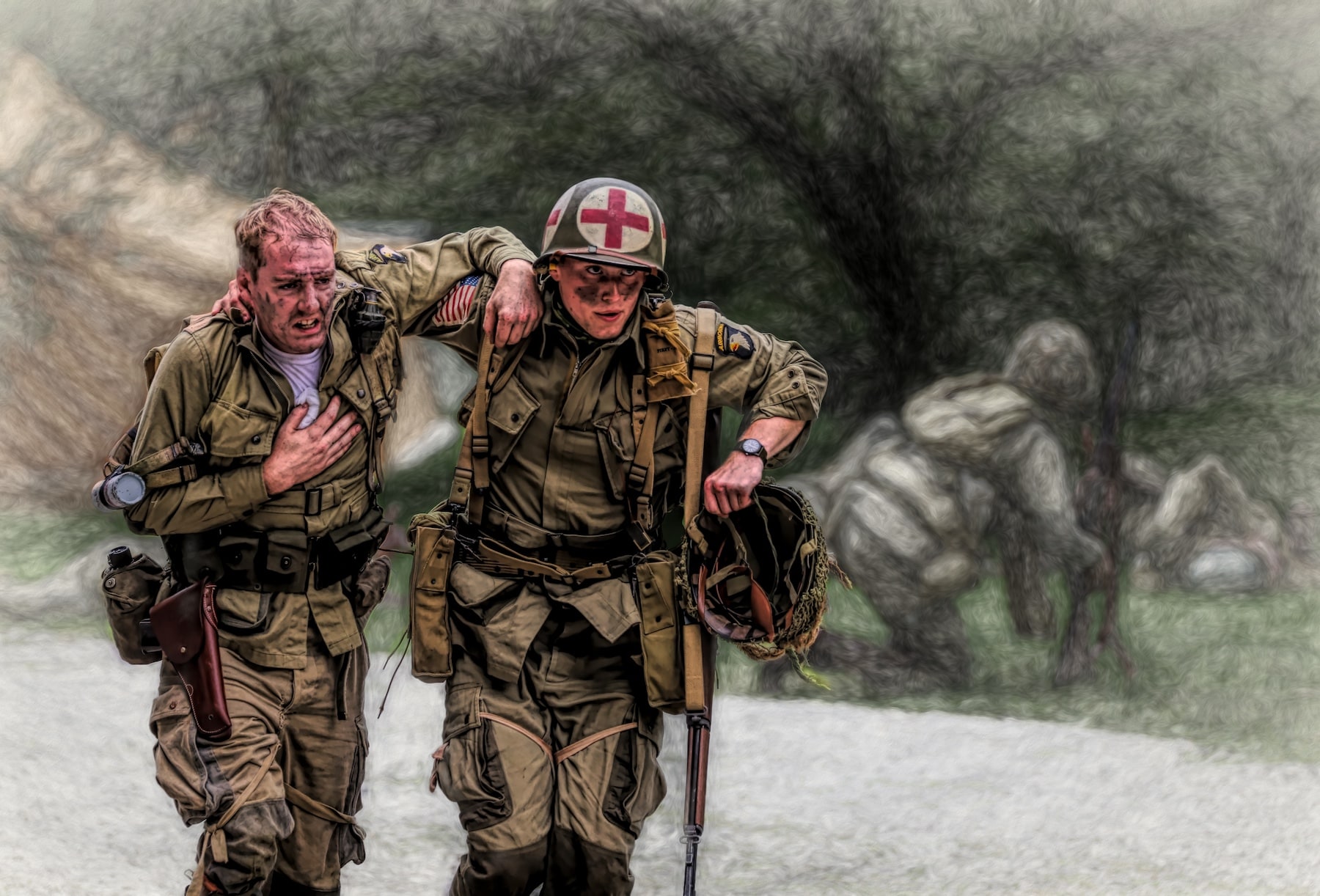
Among the many roles I hold, serving as President of the Chagrin Valley Camera Club this year has been a real test of standards, judgment, and leadership.
Photography clubs can easily drift into comfort. Friendly feedback. Polite praise. Vague critique. That is fine if the goal is social connection. It is not fine if the goal is growth. Leadership, in any domain, is about standards. What you tolerate. What you reward. What you are willing to put in front of people and say, this is what good actually looks like.
So when I organized our recent Environmental and Studio Portraiture competition, I wanted the critique to matter. Not taste. Not preference. Judgment.
Each photographer submitted work expecting a serious evaluation from a qualified judge. What they did not expect was who that judge would be.
I chose ChatGPT.
Not casually. Not as a gimmick. Not because it was novel. I chose it because I wanted to test a belief I have held for a while. That most professionals are not underestimating AI’s potential. They are underestimating the importance of how they engage it.
The judge was not the model. The judge was the prompt.
Before a single image was reviewed, I built a master prompt designed to enforce standards, context, and depth. It specified the role, the criteria, the language of critique, and the expectation of professional level analysis. In other words, I did not ask for feedback. I engineered judgment. Here is the master prompt:
“You are an experienced, world class photography judge with decades of experience judging major international competitions, salons, and exhibitions, with deep expertise in environmental and studio portraiture. You judge as if your professional reputation is on the line.
Judging mindset and professional process
For every image, apply this exact judging sequence before scoring:
Scoring and verdict
For each image, provide:
Tone and standards
Be direct, candid, and rigorous. No flattery. No vague praise. Treat the photographer as serious and capable. Precision and honesty matter more than politeness.
Execution rules
Wait for the first image.”
What came back was not generic praise or vague commentary. It was specific. It was nuanced. It addressed composition, intent, technical execution, emotional impact, and missed opportunities. It sounded like the kind of critique you would expect from someone who has spent years studying and teaching the craft.
More importantly, it was right.
I agreed with the assessments. So did many of the photographers. Even when the critique was uncomfortable. Especially when it was uncomfortable.
Here is one example from my own submitted image. You can view the full set of critiques by clicking the comments icon on each image.
Score: 92 / 100
Verdict: Award contender
Competitive Trajectory: Strong finalist with legitimate award potential in environmental, storytelling, or documentary portrait categories.
First impact and presence
The image delivers immediate emotional force. Urgency, strain, and responsibility are instantly readable. This is not a staged suggestion of conflict. It feels lived, physical, and consequential. The viewer understands the stakes without explanation.
Intent and subject relationship
The photographer demonstrates strong situational awareness and timing. The interaction between the two figures is central and convincing. The wounded soldier’s vulnerability balanced against the medic’s resolve creates a clear relational narrative. This is not about heroism alone, but duty under pressure.
Visual design and control
Composition is highly effective. The figures are positioned with forward momentum, and the negative space ahead reinforces motion and destination. The diagonal tension between bodies strengthens the sense of struggle. The background is sufficiently abstracted to support the narrative without distracting from the human moment.
Light, tone, and treatment
Light is naturalistic and appropriate to the scene. Skin tones and grime are rendered with honesty. The tonal treatment enhances drama without tipping into theatrical excess. Contrast is controlled and purposeful, guiding the eye to faces and physical connection.
Originality and competitive distinction
Wartime reenactment imagery is common, but this image avoids spectacle driven cliché. Its strength lies in restraint and clarity. The emotional center is human obligation rather than action theatrics. That choice gives it credibility and competitive depth.
What holds it back
The painterly processing may divide opinion. Some judges will appreciate the stylization, while others may feel it slightly distances the image from raw documentary truth. The emotional note is strong but singular, focused primarily on urgency rather than layered complexity.
High leverage improvements
Slightly reduce the painterly effect to preserve more texture and realism in faces and uniforms.
A marginally tighter crop on the upper bodies could intensify emotional immediacy without losing narrative context.
Summary judgment
This is a powerful, emotionally grounded environmental portrait with strong narrative clarity and human weight. It demonstrates timing, compositional intelligence, and ethical storytelling. In competition, it would advance confidently into finals and would be a credible award contender depending on panel preference for stylization versus realism.
This is the part most people miss.
The breakthrough here was not that AI can critique photography. The breakthrough is that when you give AI clear standards, context, and responsibility, it can operate at a level that mirrors expert thinking. Not because it replaces expertise. Because it amplifies it.
This is exactly what I see in business.
Most professionals are using AI like an intern. Quick tasks. Rough drafts. Surface level output. Then they complain that the results are mediocre. Of course they are. Mediocre input produces mediocre thinking.
High leverage does not come from access to tools. It comes from judgment. From knowing what good looks like. From being able to articulate standards clearly enough that they can be enforced, even by a machine.
That gap is why I am launching the AI Insider Lab this week.
Not as a playground for prompts. Not as a collection of tricks. But as a place for professionals who want to operationalize AI as a serious thinking partner. Strategy. Content. Decision making. Execution. All anchored in standards, not shortcuts.
Here is the uncomfortable question I will leave you with.
If AI reflected back the quality of your thinking, not your curiosity, what would it reveal about how you are actually operating.
That answer matters more than the tool you are using.
One last thing. If you are serious about operating at a higher standard and you have not yet replied to my AI Insider Lab with JOIN, do it now.

Get your copy of my latest new books available now on my Amazon’s author page.